The Washdown Challenge: Why Tough Environments Require the Right Lifter
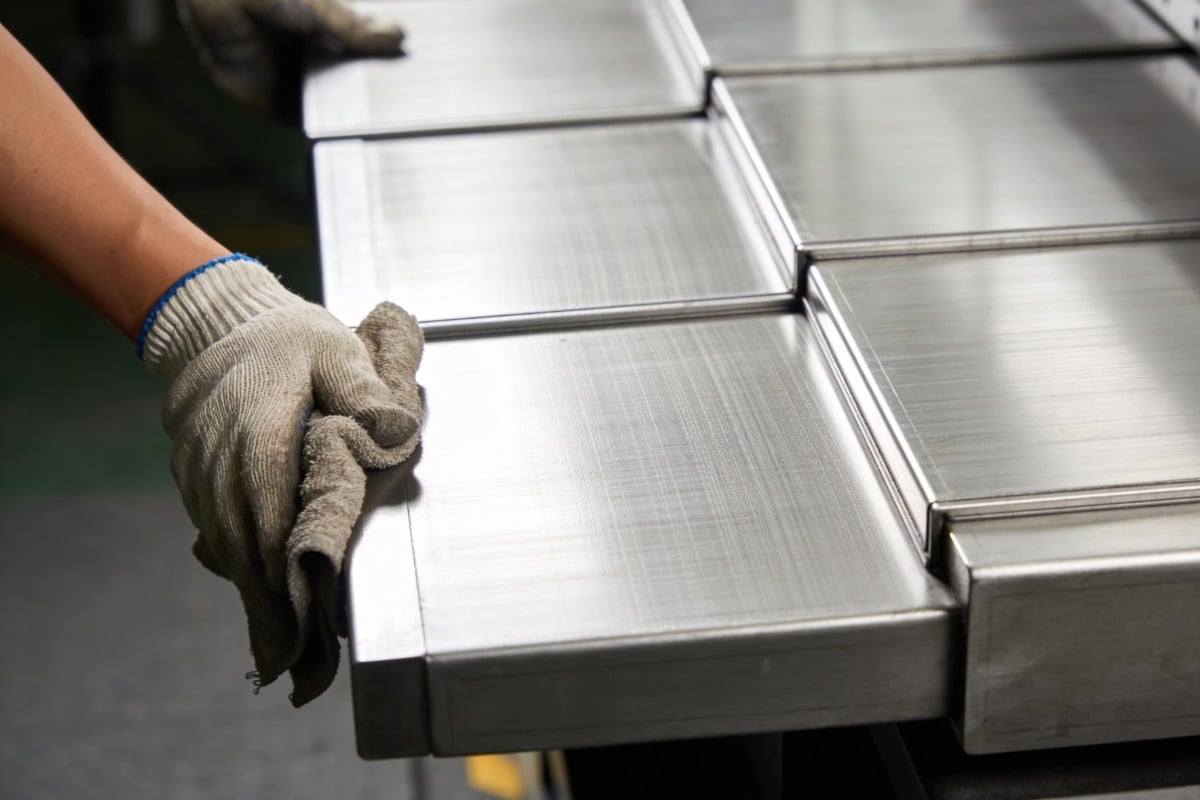
Maintaining operational uptime in a demanding washdown environment requires equipment designed to withstand repeated exposure to moisture, cleaning chemicals, and rigorous sanitation procedures.
Standard material-handling equipment is often designed for dry or less-demanding operating environments. When equipment that was not intended for washdown use is repeatedly exposed to water and chemical cleaning agents, its materials, electrical components, and construction may not provide the protection the application requires.
Selecting equipment designed for the environment can help reduce maintenance concerns, support sanitation procedures, and protect long-term performance.
Where Standard Equipment May Fall Short
Lifters intended for general industrial environments may include painted or mild-steel components, standard electrical enclosures, exposed connections, or construction details that are difficult to clean thoroughly.
Under repeated washdown conditions, these features may be vulnerable to corrosion, moisture intrusion, and premature component deterioration. Over time, these issues can contribute to increased maintenance requirements and unplanned production interruptions.
The equipment’s physical design also matters. Open joints, exposed fasteners, and difficult-to-access areas can make cleaning more challenging and allow moisture or product residue to collect. In hygiene-sensitive applications, equipment should support the facility’s sanitation procedures rather than complicate them.
The Application-Driven Difference
Application-driven design begins with the operating environment, cleaning procedures, load characteristics, and workflow requirements.
Instead of adapting a general-purpose lifter to a specialized application, a washdown solution can be configured with materials, components, and protective features selected for frequent exposure to moisture and cleaning agents.
At RonI, we use proven modular components to configure lifters around each application’s container shape, load weight, lifting height, handling method, and facility constraints. This approach delivers a solution tailored to the application within a predictable 12 to 14 week lead time while maintaining a defined engineering and production process.
Key Features for Washdown Environments
When evaluating lifting equipment for a washdown area, consider the complete design—not only the frame material.
Important features may include:
-
Corrosion-resistant stainless-steel construction
-
Welded or hygienically designed frames that support cleaning
-
Sealed electrical components and protected connections
-
Appropriate ingress-protection ratings for the facility’s cleaning procedures
-
Materials and seals compatible with the cleaning chemicals being used
-
Smooth, accessible surfaces that minimize areas where moisture or residue can collect
-
Ergonomic controls and tooling designed without compromising cleanability
-
IP65-compatible electrical enclosures and protected connections
Choose Equipment Designed for the Environment
A lifter should not only handle the required load. It should also be suited to the conditions in which it will operate and be cleaned.
Purpose-built washdown lifting equipment can help improve durability, simplify sanitation, reduce maintenance demands, and support a safer, more efficient material-handling process.
Need help determining which features your washdown application requires?